

Lyme Disease Prevention for Dogs and Cats: Tick Safety Tips for Pet Owners
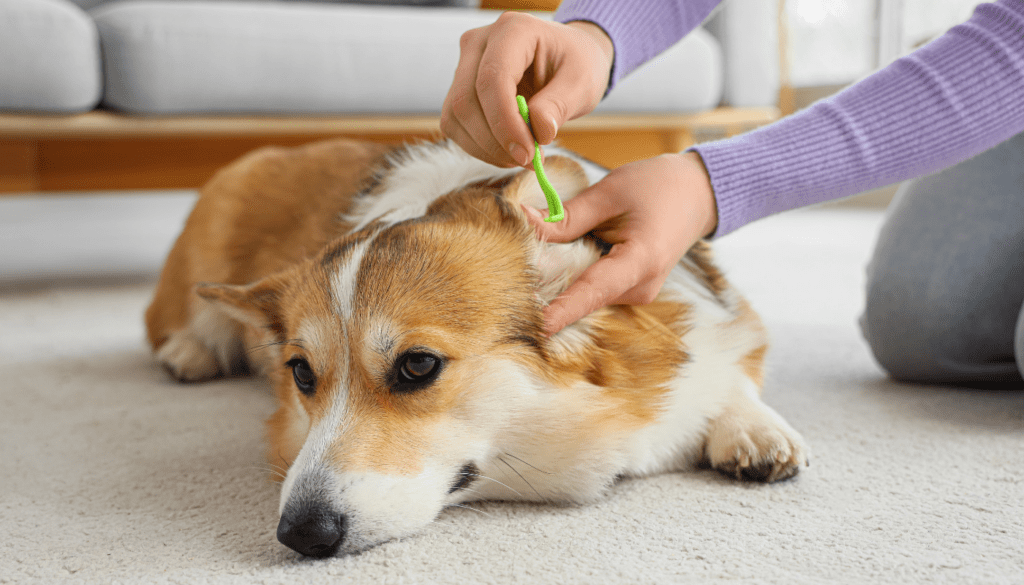
As the weather warms up, we all look forward to more time outside, long walks, park visits, and backyard lounging with our pets. Unfortunately, tick season ramps up in spring, increasing the risk of Lyme disease in dogs and cats.
These tiny parasites are more than just a nuisance. Ticks can carry bacteria that cause Lyme disease, a serious condition that can affect both pets and people. The good news is that Lyme disease is largely preventable with the right care.
Why Tick Prevention Matters
Ticks live in grassy, wooded, and even urban areas, which means your pet does not need to leave the neighborhood to be exposed. After attaching to your pet, ticks can transmit infection into the bloodstream.
Common signs of Lyme disease in dogs include:
- Limping or joint pain
- Lethargy
- Fever
- Loss of appetite
Some pets show mild or delayed symptoms, making routine prevention and early detection essential.
Prevention Is Better Than Treatment
When it comes to Lyme disease, prevention is always the best approach. Treating Lyme disease can be complex, but preventing it is much simpler and more effective.
For dogs, we offer the NOBIVAC® Lyme vaccine from Merck Animal Health, designed to help protect against Lyme disease when combined with year-round flea and tick prevention. Pairing vaccination with reliable tick prevention gives your dog strong, layered protection.
For cats, Lyme disease is less commonly diagnosed, but tick exposure can still happen. Consistent parasite prevention and regular tick checks are important for keeping cats protected during tick season.
How to Check Your Pet for Ticks
After spending time outdoors, check your pet carefully, especially in areas where ticks like to hide:
- Around the ears
- Under the collar
- Between the toes
- Under the legs
Daily checks during peak tick season can help you catch ticks early before they transmit disease.
How to Remove a Tick Safely
If you find a tick on your pet, remove it as soon as possible:
- Use fine-tipped tweezers or a tick removal tool
- Grasp the tick close to the skin
- Pull upward with steady, even pressure without twisting
- Avoid crushing the tick
Clean the area afterward with a pet-safe antiseptic.
What to Do After Removing a Tick
Place the tick in a sealed container or bag instead of throwing it away immediately. Saving the tick can help with identification if your pet develops symptoms later.
Monitor your pet closely over the next few weeks. If you notice limping, fatigue, decreased appetite, or other unusual behavior, contact your veterinary team.
Protect Your Pet This Tick Season
Lyme disease prevention starts before a tick bite ever happens. With the right plan, including vaccination, parasite prevention, and routine checks, you can enjoy the outdoors with your pet with greater peace of mind.
Schedule your pet’s prevention appointment
Ask us about the NOBIVAC® Lyme vaccine and tick prevention options
West Loop:
(312) 421-2275
Streeterville:
(312) 766-5959