
Is it Safe for Dogs to Eat Turkey?
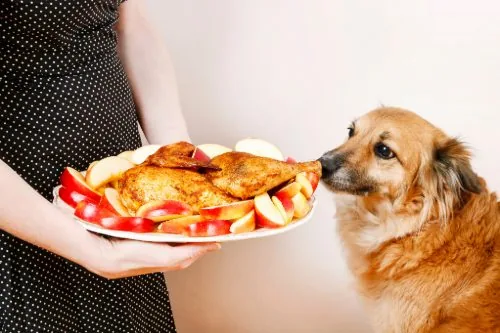
Wondering if it’s safe for dogs to eat turkey is a common question around holidays and family meals, and the short answer is yes, dogs can eat turkey in certain situations. Plain, fully cooked turkey without seasoning or additives can be appropriate for some dogs. Problems arise when turkey contains ingredients, preparation methods, or portions that do not align with canine dietary needs. Understanding what makes turkey safe or unsafe helps pet owners make informed choices before sharing food from the table.
Can Dogs Eat Turkey?
Can dogs eat turkey safely when it is prepared the right way? In many cases, yes, but context matters. Turkey is a source of protein that dogs can digest, and it often appears in commercial dog foods for that reason. However, turkey prepared for human meals typically includes seasonings, fats, and cooking methods that are not suitable for dogs. These additions change whether turkey is a safe option or a potential problem.
When pet owners ask if dogs can eat turkey, they often think about leftovers or holiday meals. Turkey prepared for human consumption commonly includes salt, butter, oils, garlic, onion, or gravy. These ingredients can upset a dog’s digestive system and, in some cases, lead to more serious health concerns. Even small amounts consumed repeatedly may cause issues over time.
It is also important to consider portion size. Turkey should never replace a balanced diet designed for dogs. Offering too much protein-rich food at once may cause digestive upset, especially in dogs not accustomed to table foods. While wondering if dogs can eat turkey is a valid question, it should always be followed by careful consideration of preparation and moderation.
How to Safely Feed Your Dog Turkey
Understanding how turkey is prepared makes all the difference when deciding whether it is appropriate for dogs. Plain turkey, cooked thoroughly and served without additives, presents fewer concerns than seasoned or processed versions. The goal is to minimize ingredients that do not align with canine digestion while avoiding unnecessary risks.
Pet owners often assume that removing visible seasoning is enough, but many flavors soak into the meat during cooking. Turkey roasted with herbs, butter, or broth still contains residues that may irritate a dog’s stomach. This is why preparation matters as much as the ingredient itself when asking can dogs eat turkey.
Key points to keep in mind include:
- Choose plain, fully cooked turkey with no seasoning, marinades, or sauces
- Avoid deli turkey or processed turkey products
- Stick to turkey breast, as white meat contains less fat than dark meat
- Offer only small portions as an occasional treat
These considerations help reduce digestive upset and make it easier to assess how a dog responds. Even when turkey seems safe, monitoring for changes in appetite or behavior after eating remains important.
Ingredients and Additives to Avoid
Many turkey dishes contain ingredients that are fine for people but problematic for dogs. Garlic, onion, and excessive salt often appear in turkey recipes and can lead to adverse reactions in pets. Gravy and stuffing introduce fats and seasonings that increase the risk of digestive upset, toxicity, or pancreatitis.
Processed turkey products deserve special attention. Deli meats, smoked turkey, and pre-seasoned cuts often contain preservatives and high sodium levels. When asking can dogs eat turkey, these versions should remain off the menu. The safest option stays simple and unseasoned.
Can Dogs Eat Turkey Bones?
Can dogs eat turkey bones is an important question and the answer is no. Cooked turkey bones become brittle and can splinter easily. These sharp fragments pose a choking risk and can cause internal injuries if swallowed. Even large dogs face serious danger when chewing or ingesting cooked bones.
Raw bones raise different concerns, but cooked turkey bones are particularly risky due to their texture. Once cooked, they lose flexibility and break into sharp pieces under pressure. This applies to all poultry bones, including turkey wings, legs, and carcasses. Keeping bones completely out of reach reduces the chance of accidental ingestion.
Pet owners should also be mindful during cleanup. Leftover bones in trash bags or accessible bins attract curious dogs. When contemplating whether dogs can eat turkey, safety regarding turkey bones should always remain part of the discussion. Preventing access is far easier than dealing with an emergency later.
When Turkey May Not Be a Good Choice
Even plain turkey may not suit every dog. Some dogs have sensitive stomachs or dietary restrictions that make new foods difficult to tolerate. Others may react poorly to certain proteins, especially if they are not part of the dog’s usual diet. In these cases, turkey may cause digestive upset despite being unseasoned.
Dogs with specific health concerns often require carefully managed diets. Introducing new proteins without guidance can interfere with nutritional balance. While the question can dogs eat turkey has a general answer, individual factors always matter. Paying attention to each dog’s history helps determine whether turkey is appropriate at all.
Signs that turkey may not agree with a dog include:
- Vomiting or loose stools after eating
- Decreased appetite following exposure
- Lethargy or unusual behavior
If these signs appear, it is best to avoid offering turkey in the future and speak with a veterinary professional for further guidance.
Turkey and Holiday Gatherings
Holidays create unique challenges when it comes to pets and people food. Turkey often sits at the center of celebrations, increasing the chance that dogs receive scraps from guests. While well-intentioned, this habit can quickly lead to problems.
Different preparations appear during holidays, including fried turkey, stuffed turkey, and turkey served with rich sides. These versions increase fat content and seasoning exposure. When people ask can dogs eat turkey during holidays, the safest approach remains avoiding table scraps altogether.
Clear communication with guests helps prevent accidental feeding. Setting boundaries around what dogs can access reduces stress for everyone involved. Planning ahead keeps celebrations enjoyable without unnecessary risks.
A Smarter Way to Share the Table
So, can dogs eat turkey? In limited situations, plain and carefully prepared turkey may be acceptable for some dogs. The key lies in understanding preparation, portion size, and individual tolerance. Turkey should remain an occasional item rather than a routine addition to a dog’s diet.
Pet owners benefit from focusing on prevention rather than reaction. Keeping seasoned foods and bones out of reach, limiting portions, and paying attention to how a dog responds all help reduce risk. These small steps make a meaningful difference over time.
For questions about diet choices or food safety, professional guidance offers clarity and reassurance. West Loop Veterinary Care provides support for pet owners navigating everyday nutrition questions and bigger dietary decisions. Call one of our locations or book an appointment online today!
West Loop:
(312) 421-2275
Streeterville:
(312) 766-5959