

Is Your Cat Prone to Hairballs? What Every Pet Parent Needs to Know
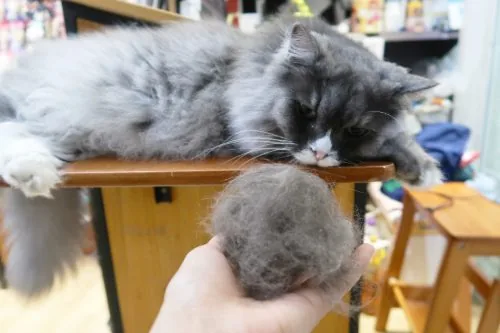
Cat hairballs are a common concern for many cat owners, especially with cats who shed heavily or groom themselves — or others — frequently. Hairballs form when loose fur gets swallowed during normal grooming and collects in the digestive tract instead of passing through naturally. While the occasional hairball may not raise alarm, frequent or persistent cat hairballs can signal underlying issues related to grooming habits, digestion, or overall health. Understanding why cat hairballs happen and what they can indicate helps pet parents make informed decisions and know when veterinary care may be needed. With the right awareness, you can better support your cat’s comfort and digestive health over time.
What Are Hairballs?
Cat hairballs are compact clumps of fur that build up in a cat’s stomach after being swallowed during grooming. Cats use their tongues, which are covered in tiny backward-facing barbs, to remove loose hair from their coats. Most of that hair passes through the digestive system and exits in the litter box without issue. When too much hair accumulates at once, it can clump together and form a hairball that the body cannot easily move through the intestines. As a result, the cat may regurgitate it.
Hairballs are not actually shaped like balls, despite the name. They often appear as long, tubular masses of hair mixed with digestive fluids. Occasional cat hairballs can be expected, particularly in long-haired breeds or cats who groom frequently. However, frequent hairballs should not be dismissed as normal without further evaluation.
What Causes Hairballs in Cats?
Cat hairballs develop due to a combination of grooming behavior, coat type, and digestive function. Grooming is a natural and necessary activity for cats, but some cats groom more often than others. Increased grooming leads to more swallowed fur, which raises the likelihood of hair buildup in the stomach. Cats who shed heavily or have long, dense coats tend to ingest more hair during daily grooming sessions.
Digestive motility also affects how hair moves through the gastrointestinal tract. When digestion slows or becomes less efficient, hair may linger in the stomach instead of passing through with food. Age, activity level, and underlying gastrointestinal conditions can influence this process. Stress and environmental changes may also increase grooming behavior, which indirectly contributes to more cat hairballs over time.
Recognizing Symptoms of Hairballs in Cats
Some cats show clear signs when hairballs are present, while others display more subtle symptoms. Occasional gagging or retching that results in expelling a hairball is the most recognizable sign. However, repeated coughing or hacking without producing a hairball may indicate irritation or buildup that has not yet resolved. These episodes can sometimes be mistaken for respiratory issues, which makes observation especially important.
Other symptoms associated with cat hairballs may include reduced appetite, constipation, or changes in stool consistency. Some cats become less active or show discomfort after eating. If hairballs interfere with digestion, cats may vomit food or appear nauseated more often than usual. Monitoring changes in behavior and frequency helps determine whether hairballs remain occasional or require veterinary attention.
How to Prevent Cat Hairballs
Preventing cat hairballs focuses on reducing loose fur ingestion and supporting healthy digestion. Routine grooming plays a key role, especially for cats who shed heavily or have longer coats. Regular brushing removes loose hair before your cat can swallow it during grooming. This simple habit can significantly reduce the amount of fur entering the digestive tract.
In addition to grooming, maintaining overall digestive health supports the natural movement of hair through the system. Consistent feeding routines, proper hydration, and regular veterinary checkups all contribute to gastrointestinal function. Preventive strategies should always align with guidance from your veterinary team rather than home remedies.
Complications of Cat Hairballs
While many hairballs pass without issue, complications can arise when hair accumulates and causes partial or complete blockages. A large or persistent hairball can obstruct the stomach or intestines, preventing food from passing normally. This type of blockage can lead to repeated vomiting, abdominal discomfort, and reduced appetite. Left untreated, gastrointestinal obstruction may become a serious medical concern.
Chronic cat hairballs may also indicate underlying problems such as excessive grooming, skin irritation, or digestive disorders. In these cases, the hairball itself is a symptom rather than the root issue. Addressing the underlying cause helps reduce recurrence and supports long-term health. Recognizing when hairballs shift from occasional to frequent allows for earlier veterinary intervention.
When to See a Vet About Hairballs
Knowing when to contact your veterinarian helps protect your cat’s health and comfort. Occasional hairballs may not require immediate care, but repeated episodes warrant closer evaluation. If your cat coughs or gags frequently without producing a hairball, or if vomiting occurs more than occasionally, it is time to schedule a veterinary visit. Changes in appetite, lethargy, constipation, or signs of abdominal pain also deserve prompt attention.
Veterinary exams allow the care team to assess whether cat hairballs are part of a larger digestive or behavioral concern. Diagnostic tools help determine if an obstruction or other condition is present. Early evaluation often leads to more effective management and reduces the risk of complications. If you have concerns about your cat’s grooming habits or digestive health, professional guidance offers clarity and reassurance.
A Healthier Path Forward for Your Cat
Cat hairballs may seem like a routine part of feline life, but their frequency and severity matter. By understanding how hairballs form, recognizing warning signs, and knowing when to seek veterinary care, pet parents can take a proactive role in their cat’s well-being. Ongoing communication with your veterinary team helps ensure that occasional hairballs do not become a recurring problem. If you have questions about cat hairballs or notice changes in your cat’s behavior, call one of our locations or book an appointment online today!
West Loop:
(312) 421-2275
Streeterville:
(312) 766-5959