
Is Your Cat Overweight? How to Tell and What to Do
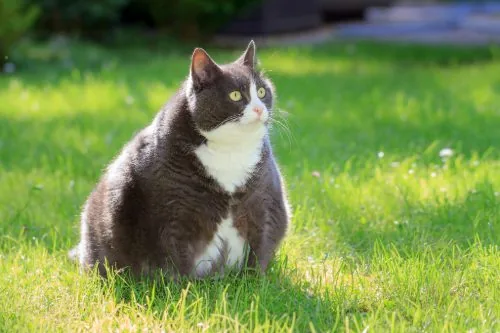
Cat obesity refers to an unhealthy accumulation of body fat that can affect a cat’s mobility, comfort, and long-term health. Many cats gain weight gradually, which makes changes harder to notice until daily activities like jumping, grooming, or playing become more difficult. Because cats are experts at hiding discomfort, excess weight often goes unnoticed during routine life at home. Recognizing cat obesity early allows veterinarians to address concerns before they impact quality of life. Understanding what weight gain looks like in cats is an important first step toward supporting better health through professional veterinary care.
What Is Obesity in Cats?
Cat obesity occurs when a cat’s body weight exceeds a healthy range for their size, breed, and body structure. Veterinarians typically consider a cat obese when they weigh significantly more than their ideal body weight, not just a few extra ounces. Even small amounts of added weight can have an outsized impact on a cat’s body because cats are built for agility and movement. Extra fat places stress on joints, organs, and metabolic processes that are designed to operate within a narrow balance.
Weight-related concerns in cats are common, especially in indoor environments where activity levels tend to be lower. Cat obesity differs from simple weight gain because it represents a medical condition rather than a cosmetic issue. Excess fat can interfere with normal bodily functions and increase the risk of other health concerns over time. This is why veterinarians treat obesity as a condition that deserves proper evaluation and monitoring.
Causes of Obesity in Cats
Cat obesity develops when calorie intake consistently exceeds calorie use, but the reasons behind this imbalance vary. Diet composition, portion size, and feeding routines all influence weight over time. Free-feeding or frequent treats can contribute to gradual weight gain, especially when combined with low activity levels. Indoor cats often face greater risk due to fewer opportunities for natural exercise.
Age also plays a role in weight changes. As cats get older, their metabolism may slow, and they may become less active without obvious signs of illness. Certain life stages can increase susceptibility to weight gain, particularly if feeding habits remain unchanged. Environmental factors, daily routines, and even stress can influence eating behavior and activity patterns.
While genetics may predispose some cats to gain weight more easily, lifestyle factors are often the primary contributors. Identifying these influences helps veterinarians create realistic, individualized plans that support long-term health rather than short-term fixes.
Symptoms of Obesity in Cats
The signs of cat obesity often appear gradually, making them easy to miss without regular veterinary exams. Physical changes are usually the first noticeable indicators, such as a rounder abdomen or a lack of visible waistline when viewed from above. Some cats may no longer groom themselves effectively, leading to changes in coat condition or hygiene. Others may struggle with basic movements that once came easily, such as climbing stairs or jumping onto furniture.
Behavioral changes can also signal weight-related concerns. Cats carrying excess weight may appear less playful or sleep more than usual. They may avoid activities that require effort or show reluctance to move for extended periods. Over time, these subtle shifts can add up and point toward a larger issue that benefits from veterinary attention.
Common signs veterinarians look for include:
- Difficulty jumping, running, or climbing
- Refusal to climb into the litter box
- Reduced activity levels or interest in play
- A rounded or sagging belly with little waist definition
How Vets Diagnose Obesity in Cats
Veterinarians diagnose cat obesity using more than just the number on a scale. A physical exam allows the veterinary team to assess body condition, muscle tone, and fat distribution. One commonly used method is a body condition score, which evaluates how easily ribs can be felt, whether a waist is visible, and how fat is distributed across the body. This approach provides a clearer picture of overall health than weight alone.
During the exam, veterinarians also consider a cat’s age, breed, and medical history. Weight trends over time help determine whether changes are recent or long-standing. Diagnostic testing may be recommended to rule out underlying conditions that can contribute to weight changes or complicate management. These steps ensure that any plan addresses the whole cat, not just the number on the scale.
Why Professional Evaluation Matters
A veterinary evaluation helps distinguish cat obesity from other conditions that may cause weight changes or abdominal enlargement. This distinction is important because treatment approaches vary depending on the underlying cause. Professional assessment also allows for safe goal-setting that prioritizes gradual, sustainable progress. With veterinary guidance, weight management becomes a structured process rather than guesswork.
Treatment of Obesity in Cats
Managing cat obesity involves a veterinarian-guided approach that focuses on safety, consistency, and long-term success. Treatment plans typically address both nutrition and activity while accounting for a cat’s individual needs. Because cats have unique metabolic requirements, changes must be carefully managed to avoid complications. Veterinary oversight ensures that weight loss occurs at a healthy pace.
Regular follow-up appointments allow veterinarians to monitor progress and make adjustments as needed. These visits provide opportunities to evaluate body condition, discuss challenges, and celebrate improvements. Treatment is rarely a one-size-fits-all process, which is why individualized plans are so effective. By working closely with a veterinary team, pet owners gain clear direction and ongoing support.
The Role of Ongoing Monitoring
Ongoing monitoring helps ensure that progress remains steady and appropriate. Weight changes that occur too quickly can create additional health concerns, while slow progress may indicate the need for adjustments. Regular veterinary check-ins help keep expectations realistic and outcomes positive. This collaborative approach supports lasting results rather than short-lived changes.
Recovery and Prevention of Obesity in Cats
Recovery from cat obesity focuses on maintaining healthy habits once a cat reaches an appropriate weight range. Prevention begins with awareness and consistency, including routine veterinary exams that track subtle changes over time. Cats benefit from predictable routines that support balanced nutrition and regular movement. Veterinary teams play an important role in helping pet owners recognize early signs of weight gain.
Preventing future weight issues often involves ongoing communication with your veterinarian. Life changes such as aging, reduced activity, or shifts in routine may require adjustments to feeding or care plans. Staying proactive helps address concerns before they become more difficult to manage. With professional guidance, many cats maintain healthier weights well into their senior years.
Lose the Weight to Gain Life
Supporting a healthy weight helps cats stay active, comfortable, and engaged in daily life. Cat obesity can feel overwhelming at first, but veterinary guidance provides clarity and structure at every stage. Small, consistent steps guided by professional care often lead to meaningful improvements over time. The goal is not rapid change, but steady progress that supports long-term health.If you have concerns about your cat’s weight, the team at West Loop Veterinary Care is here to help. Call one of our locations or book an appointment online today to discuss your cat’s health and wellness needs.
West Loop:
(312) 421-2275
Streeterville:
(312) 766-5959