

What to Do When Your Dog Has an Ear Infection
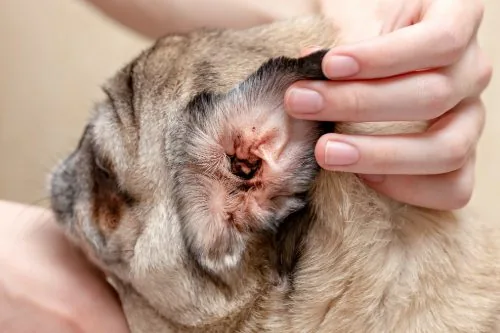
A dog ear infection happens when inflammation develops inside the ear canal, often causing discomfort, odor, discharge, and noticeable behavior changes. These infections can affect one or both ears and may progress quickly if left unaddressed. Knowing what to do when your dog shows early signs of a dog ear infection helps you act promptly, understand the diagnostic process, and seek professional care before the condition becomes more painful or complex.
Ear infections rank among the most common reasons dogs visit the veterinarian. Some dogs experience a single episode during their lifetime, while others face recurring issues linked to anatomy, allergies, or underlying health conditions. While it can feel overwhelming to spot ear problems at home, understanding how ear infections develop and how veterinarians manage them can bring clarity and confidence during an already stressful time.
What Causes Ear Infections in Dogs?
A dog ear infection rarely develops without an underlying trigger. Most infections arise when the ear’s natural environment changes, allowing bacteria or yeast to grow. Understanding the root cause helps explain why some dogs experience recurring problems while others do not.
Anatomy plays a major role. Dogs with floppy ears or narrow ear canals tend to trap moisture and debris, creating an ideal environment for infection. Allergies also contribute significantly, especially environmental or food-related sensitivities that cause chronic inflammation in the ears. When inflammation becomes ongoing, the ear loses its ability to defend itself against microorganisms.
Other contributing factors include moisture from swimming or bathing, foreign material like grass seeds, and hormonal imbalances that affect skin health. Even excessive cleaning or improper products can disrupt the ear’s normal balance. Identifying what started the dog ear infection helps veterinarians develop a treatment plan that addresses both the infection and the underlying cause.
Common contributors to ear infections include:
- Allergies affecting the skin and ears
- Moisture trapped in the ear canal
- Ear shape or breed-related anatomy
- Foreign material or trauma
Symptoms of Dog Ear Infections
The signs of a dog ear infection often start subtly and become more noticeable as inflammation worsens. Many dogs show changes in behavior before owners see visible signs inside the ear. Paying attention to these early cues can help prevent prolonged discomfort.
Common symptoms often include head shaking, frequent scratching at one or both ears, redness inside the ear flap, and an unpleasant odor. Some dogs develop discharge that appears yellow, brown, or black, depending on the type of infection involved. Over time, swelling may narrow the ear canal, making the ear painful to touch and more difficult to examine.
Other symptoms may extend beyond the ears. Dogs dealing with a dog ear infection sometimes seem irritable, lethargic, or less interested in play. Balance issues, head tilting, or sensitivity around the face can occur when inflammation becomes more advanced. These changes signal that the ear problem may be progressing and needs veterinary evaluation rather than watchful waiting.
Common signs pet owners notice include:
- Persistent head shaking or ear scratching
- Redness, swelling, or warmth around the ear
- Foul odor or visible discharge
- Sensitivity when the ear is touched
Precise Diagnosis Needed for a Dog’s Ear Infections
A proper diagnosis is essential when managing a dog ear infection. Many ear conditions share similar symptoms, yet require different treatments. Treating the wrong cause can delay healing and increase discomfort for your dog.
During an exam, the veterinary team evaluates the ear canal using specialized tools that allow safe visualization. They may collect samples of discharge to identify bacteria, yeast, or other organisms contributing to the infection. This step ensures that treatment targets the specific issue rather than relying on assumptions.
Why Diagnosis Matters for Long-Term Ear Health
Accurate diagnosis matters even more for dogs with recurring ear infections. Repeated inflammation can permanently change the ear canal, making future infections harder to manage. By understanding whether allergies, resistant bacteria, or anatomical factors play a role, veterinarians can reduce the likelihood of repeat episodes.
Precise diagnosis also helps protect hearing and comfort. Chronic or severe infections may extend deeper into the ear, affecting balance and overall quality of life. Early, targeted evaluation allows treatment to begin with clarity and purpose rather than guesswork.
How Are Dog Ear Infections Treated?
Treatment for a dog ear infection depends on severity, underlying cause, and diagnostic findings. Most treatment plans focus on reducing inflammation, eliminating infection, and restoring the ear’s natural balance. The goal is relief and long-term management rather than short-term fixes.
Veterinarians often prescribe medications designed to address the specific organisms identified during testing. In more severe cases, additional therapies may be needed to manage swelling or pain. Follow-up visits help confirm that the infection has resolved fully and that the ear canal has returned to a healthier state.
Why Follow-Up Care Is Important
Follow-up care plays a key role in successful treatment. Even if symptoms improve quickly, stopping treatment early can allow infection to return. Rechecks ensure the dog ear infection has cleared and that the ear environment remains stable.
Dogs with recurring infections may require additional testing or long-term management strategies. These steps help reduce flare-ups and protect the ear from ongoing inflammation. Consistency and communication with your veterinary team support better outcomes and fewer repeat visits.
Can You Prevent Ear Infections in Dogs?
While not every dog ear infection can be prevented, proactive care reduces risk significantly. Prevention focuses on maintaining healthy ears and addressing conditions that make infections more likely. Awareness and routine care often make a meaningful difference.
Dogs prone to allergies benefit from ongoing management plans that support skin and ear health. Monitoring ears regularly allows owners to notice changes early, before discomfort escalates. Professional guidance helps determine which dogs need closer monitoring based on breed, lifestyle, and medical history.
Environmental awareness also matters. Dogs who swim frequently or spend time outdoors may need extra attention to ear health. Prevention does not guarantee immunity, but it supports healthier ears and fewer disruptions over time.
Preventive steps often include:
- Routine veterinary exams with ear checks
- Early attention to allergy-related symptoms
- Monitoring ears for changes in odor or appearance
- Thorough drying after bathing or swimming
Healthy Ears Start With Timely Care
A dog ear infection can disrupt your dog’s comfort quickly, but timely attention makes a meaningful difference. Recognizing symptoms early, understanding causes, and seeking professional diagnosis all support better outcomes. Ear infections may feel common, but they deserve prompt evaluation to prevent pain and recurrence.
If your dog shows signs of ear discomfort, professional care provides clarity and relief. Call one of our locations or book an appointment online today! The team at West Loop Veterinary Care is here to support your dog’s ear health and overall comfort.
West Loop:
(312) 421-2275
Streeterville:
(312) 766-5959