

Dog Frostbite: Signs to Watch for and How to Protect Your Pet
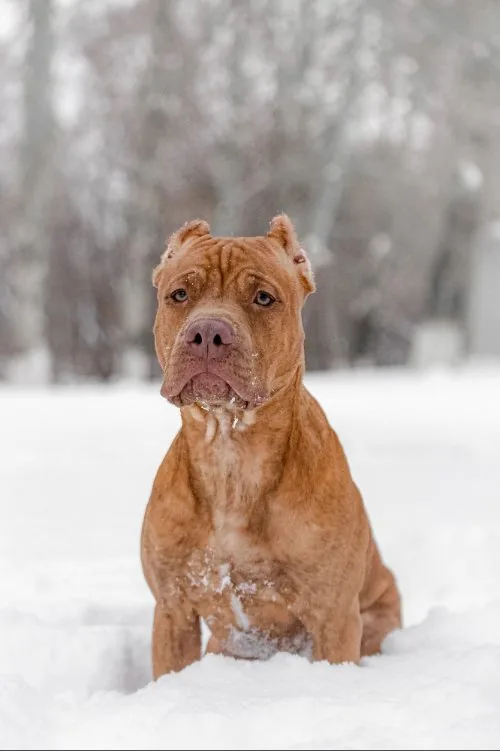
Dog frostbite is a cold-weather injury that happens when freezing temperatures damage exposed skin and underlying tissue. It most often affects areas like the ears, paws, tail, and nose, especially during prolonged winter exposure or extreme cold snaps. While many dogs tolerate chilly weather, no dog is immune to frostbite under the right conditions. Knowing what dog frostbite is, how it starts, and why it can become serious helps pet owners recognize risk early and make safer choices during cold weather.
What Is Frostbite in Dogs?
Frostbite in dogs develops when extreme cold causes blood vessels to narrow, reducing circulation to exposed parts of the body. As circulation slows, tissue temperature drops and cells begin to freeze, which leads to structural damage within the skin and deeper layers. When blood flow eventually returns, inflammation occurs, often making the injury appear worse hours after cold exposure rather than immediately.
This process explains why frostbite injuries can progress even after a dog is back indoors. The severity depends on temperature, wind, moisture, and how long exposure lasted. Dogs with limited insulation, compromised circulation, or repeated exposure to freezing conditions face a higher risk of tissue damage that requires veterinary evaluation.
Causes of Frostbite in Dogs
Frostbite results from prolonged or intense exposure to freezing temperatures, but several contributing factors increase risk. Lack of adequate shelter, especially in outdoor dogs, remains a common cause. Windy conditions strip away body heat faster than calm air, and moisture further reduces insulation.
Other contributing factors include inadequate winter protection during walks, extended time on frozen surfaces, and underlying medical conditions that impair circulation. Dogs accustomed to warmer climates may struggle more during sudden cold snaps. Even healthy dogs face risk when weather conditions become extreme without appropriate safeguards.
Areas of the Dog Commonly Affected by Frostbite
Certain parts of a dog’s body face a higher risk because they are exposed and have less muscle or fat to retain warmth. These areas cool more quickly, making them more vulnerable when temperatures fall below freezing.
Commonly affected areas include:
- Ear tips, especially in dogs with upright or thin ears
- Paw pads and toes, particularly when walking on snow or ice
- Tail tips, which receive less circulation
- Nose and muzzle, especially during windy conditions
Dogs with short coats, small body size, or medical conditions that affect circulation may experience frostbite sooner than others. Puppies and senior dogs also tend to have a harder time regulating body temperature, which increases vulnerability during winter exposure.
Is Frostbite an Emergency?
Frostbite can range from mild to severe, and determining urgency depends on the extent of tissue damage and associated symptoms. Mild cases may involve surface skin changes, while advanced cases affect deeper layers and can lead to complications. Because frostbite often develops alongside hypothermia, veterinarians treat it seriously.
Any visible skin discoloration, swelling, or pain following cold exposure warrants prompt veterinary evaluation. Delayed care increases the risk of infection and long-term tissue damage. If a dog appears lethargic, weak, or distressed after being outdoors in freezing weather, the situation should be treated as urgent. Veterinary teams assess circulation, tissue health, and overall stability to determine next steps.
How Long Does It Take for Frostbite To Occur?
The time it takes for frostbite to develop varies widely based on environmental conditions and individual factors. Extremely low temperatures, strong wind, and moisture accelerate tissue freezing. In severe weather, frostbite can begin in minutes rather than hours.
Dogs exposed to temperatures below 32°F face increasing risk, especially when conditions drop well below zero. Wind chill significantly shortens safe exposure time, even for dogs who enjoy cold weather. Duration of exposure, coat thickness, body size, and activity level all play a role. A dog standing still in freezing wind loses heat faster than one moving briefly between sheltered areas.
What Does Frostbite Look Like in Dogs?
Frostbite does not always look severe at first, which makes early recognition challenging. Initial changes often appear subtle, then worsen as circulation returns to damaged tissues.
Symptoms of Dog Frostbite
Common symptoms of dog frostbite include:
- Pale, bluish, or gray skin on exposed areas
- Swelling or redness as circulation returns
- Pain or sensitivity when the area is touched
- Blistering or skin ulcers in more advanced cases
Dogs may also limp, lick at affected areas, or avoid using an injured paw. Behavioral changes such as lethargy or irritability can accompany physical signs. Because symptoms may worsen after rewarming, continued observation following cold exposure is important.
How Veterinarians Diagnose Frostbite in Dogs
Veterinarians diagnose frostbite through a combination of physical examination and medical history. Understanding how long the dog was exposed to cold and under what conditions helps guide evaluation. During the exam, veterinarians assess skin color, temperature, swelling, and circulation in affected areas.
Treatment of Frostbite in Dogs
Treatment for frostbite focuses on stabilizing the dog and supporting tissue recovery under veterinary supervision. The approach depends on severity, extent of tissue damage, and whether other cold-related conditions are present. Mild cases may involve careful monitoring, while severe cases require more intensive management that may include pain control, antibiotics to prevent infection, and potentially amputation of the affected body part.
Recovery and Management of Frostbite in Dogs
Recovery time varies depending on the degree of tissue injury and how quickly treatment begins. Mild frostbite may resolve over weeks, while severe cases require longer management. During recovery, veterinarians monitor healing, circulation, and overall comfort.
Some dogs regain full function, while others may experience lasting sensitivity in affected areas. Long-term management focuses on protecting vulnerable tissues from future cold exposure. Ongoing communication with a veterinary team supports safer winter routines moving forward.
Prevention of Frostbite in Dogs
Preventing dog frostbite centers on limiting exposure to extreme cold and providing appropriate protection. Winter routines should adjust based on temperature, wind, and individual tolerance. Shorter outdoor trips during cold snaps reduce risk, especially for susceptible dogs.
Preventive strategies include:
- Providing insulated shelter for outdoor dogs
- Limiting time outdoors during freezing, windy, or wet conditions
- Using protective gear such as booties when appropriate
Awareness of weather conditions and a dog’s physical limits plays a major role in prevention. Proactive planning keeps winter activities safer and more enjoyable.
Winter Safety Starts with Awareness
Cold weather brings unique challenges for dogs, and frostbite remains one of the most serious winter-related concerns. Recognizing early signs, understanding risk factors, and prioritizing prevention help protect dogs during colder months. If you have concerns about winter exposure or notice changes after cold weather activity, professional guidance matters. Call one of our locations or book an appointment online today! The team at West Loop Veterinary Care is here to support your dog’s health through every season.
West Loop:
(312) 421-2275
Streeterville:
(312) 766-5959