

Is Your Dog “Snorting”? What You Need to Know About Reverse Sneezing
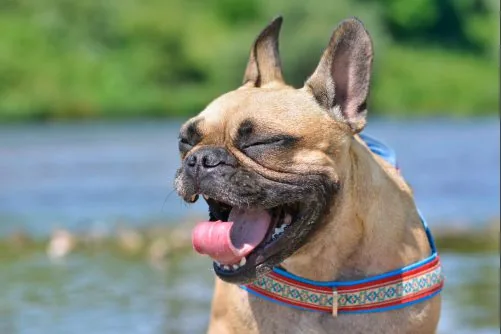
Reverse dog sneezing is a sudden, noisy breathing episode that often sounds alarming but is usually harmless. Many dogs experience these episodes at least once in their lives, and while the sound can catch any pet owner off guard, reverse sneezing often resolves on its own. Knowing what reverse dog sneezing looks and sounds like, along with when it deserves veterinary attention, can help you feel more confident and prepared. This guide explains the causes, symptoms, and veterinary approach to reverse sneezing so you know when to observe and when to schedule an exam.
What Is Reverse Sneezing in Dogs?
Reverse sneezing in dogs occurs when a dog rapidly pulls air into the nose instead of pushing it out like a normal sneeze. During an episode, the muscles in the throat and nasal passages tighten, which creates that distinct snorting or honking sound many pet owners describe. These episodes can last anywhere from a few seconds to a couple of minutes and often stop as suddenly as they start. While reverse dog sneezing can look dramatic, most dogs remain alert and recover quickly afterward.
This condition affects dogs of all sizes and ages, although certain breeds experience it more frequently. Small dogs and breeds with narrow nasal passages often show reverse sneezing more often, but larger dogs can also have episodes. Reverse sneezing is not typically associated with pain, and most dogs return to normal behavior immediately after an episode. Even so, frequent or changing episodes should always be discussed with a veterinarian.
Why Do Dogs Reverse Sneeze?
Dogs reverse sneeze when something irritates the nasal passages, sinuses, or the soft palate at the back of the throat. This irritation triggers a reflex that causes the dog to inhale sharply through the nose. Environmental factors are common contributors, especially airborne irritants that dogs encounter during daily walks or time outdoors. Changes in seasons can also influence how often reverse dog sneezing occurs.
Common triggers associated with reverse dog sneezing include:
- Dust, pollen, smoke, or strong household scents
- Nasal drainage from mild upper airway irritation
- Excitement, pulling on a leash, or sudden activity
- Changes in temperature or humidity
Some dogs experience reverse sneezing only occasionally, while others have recurring episodes tied to specific triggers. A dog that reverse sneezes frequently may have underlying sensitivities or structural traits that make them more prone to these events. Tracking when episodes occur can help your veterinarian determine possible patterns.
What Does Reverse Sneezing in Dogs Sound Like?
Reverse dog sneezing often sounds louder and more dramatic than it actually is. Many pet owners describe the noise as snorting, honking, gagging, or rapid gasping. During an episode, a dog may stand still, extend their neck, and brace their front legs while pulling air sharply through the nose. The sound can resemble choking, which understandably causes concern.
Despite how intense it sounds, reverse sneezing does not usually interfere with oxygen levels. Dogs are still able to breathe during these episodes, even though it may not look that way. Once the episode ends, most dogs act completely normal. Any changes in the sound, duration, or frequency of reverse dog sneezing should be noted and shared with your veterinarian.
How to Stop Reverse Sneezing in Dogs
Reverse dog sneezing often stops without any intervention, especially when the trigger passes quickly. Episodes may resolve once a dog calms down or moves away from an irritating environment. While it can be tempting to intervene, many dogs simply need time for the reflex to settle on its own. Remaining calm during an episode can also help your dog relax.
If reverse sneezing happens frequently, your veterinarian may discuss ways to reduce exposure to known triggers. This might include managing environmental factors or adjusting routines that seem to provoke episodes. Avoid making changes without professional guidance, as reverse sneezing can sometimes resemble other conditions that require evaluation. Observing patterns and duration is often the most helpful step for pet owners.
When to Go to the Vet for Reverse Sneezing
Occasional reverse dog sneezing is usually not an emergency, but there are situations where a veterinary visit is appropriate. If episodes become more frequent, last longer, or change in intensity, it is time to schedule an exam. Reverse sneezing that occurs alongside other symptoms may indicate a different respiratory issue that needs attention.
Contact your veterinarian if you notice:
- Episodes increasing in frequency or duration
- Nasal discharge, coughing, or lethargy
- Difficulty breathing between episodes
- Reverse sneezing that does not stop or worsens over time
A veterinary exam helps rule out infections, foreign material, or structural concerns that can mimic reverse sneezing. Early evaluation provides clarity and peace of mind.
How Do Vets Diagnose Reverse Sneezing?
Veterinarians diagnose reverse dog sneezing primarily through a physical exam and a detailed history. Your vet will ask when the episodes started, how often they occur, and what they sound like. Describing triggers and recording videos of episodes can be especially helpful during the diagnostic process. These details help differentiate reverse sneezing from other respiratory conditions.
Diagnostic Tools Your Vet May Use
Depending on your dog’s symptoms, your veterinarian may recommend additional diagnostics to rule out other causes. These tools help confirm that reverse sneezing is the most likely explanation and not part of a larger issue.
Possible diagnostic steps include:
- Nasal and throat examination
- Imaging, such as X-rays, if structural concerns are suspected
- Allergy-related evaluations when environmental triggers are suspected
Not every dog requires advanced testing. Many cases of reverse dog sneezing are diagnosed based on history and exam findings alone.
Dog Reverse Sneeze Treatment
Dog reverse sneeze treatment depends on how often episodes occur and whether an underlying cause is identified. In many cases, no treatment is needed beyond monitoring. If reverse sneezing becomes frequent or disruptive, your veterinarian may discuss options aimed at addressing the trigger rather than the sneezing itself. Treatment plans vary based on the individual dog and clinical findings.
Veterinary Management Options
When reverse dog sneezing stems from ongoing irritation or sensitivity, veterinary management focuses on long-term comfort. Your veterinarian will guide decisions based on exam results and your dog’s overall health.
Management approaches may include:
- Addressing environmental irritants
- Evaluating breed-related airway factors
- Monitoring for progression or changes over time
Because reverse sneezing can resemble other conditions, professional evaluation ensures your dog receives appropriate care.
A Noisy Symptom That Deserves Understanding
Reverse dog sneezing can sound alarming, but it is often a benign reflex that resolves quickly. Knowing what causes it, what it sounds like, and when to seek veterinary care helps you respond with confidence instead of worry. If your dog experiences frequent or changing episodes, a veterinary exam provides reassurance and clarity. For guidance tailored to your dog, West Loop Veterinary Care is here to help. Call one of our locations or book an appointment online today!
West Loop:
(312) 421-2275
Streeterville:
(312) 766-5959