

Why Is My Cat Pooping Outside the Litter Box? 5 Common Causes Explained
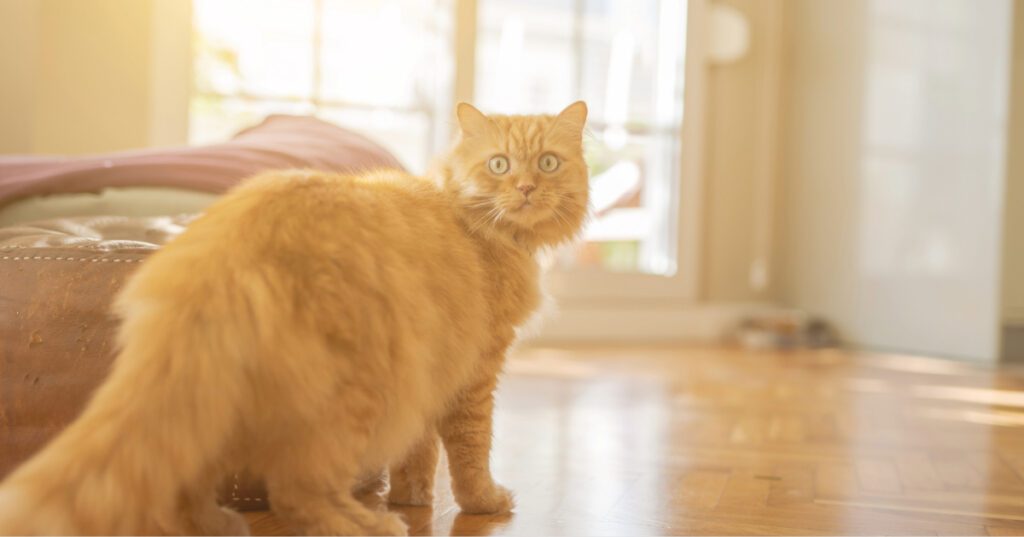
Cats pooping outside the litter box is most often caused by a dirty box, a medical issue, litter box aversion, stress, or an underlying behavioral problem. Figuring out which one applies usually starts with ruling out health concerns first. It’s a frustrating issue for many Chicago cat owners, but it’s also one of the more solvable behavioral concerns once the root cause is identified. Because so many different factors can contribute to this behavior, working through the possibilities methodically tends to get better results than guessing at a single explanation. This guide breaks down the most common causes, one by one, so you know where to start looking. Working through these possibilities in order, starting with the most common, tends to save time compared to jumping straight to more involved explanations.
Is It Ever a Medical Issue When Cats Poop Outside the Litter Box?
Yes, and this should always be considered first before assuming a purely behavioral cause. Conditions like inflammatory bowel disease, parasites, or arthritis (which can make climbing into a high-sided box painful) can all lead to inappropriate elimination. Ruling out medical causes is an important first step before addressing behavior, since treating a health issue as a training problem can delay proper care. A cat that suddenly starts eliminating outside the box after years of consistent litter box use is especially likely to be dealing with a medical issue rather than a behavioral one. Older cats in particular are more prone to conditions like arthritis or kidney disease that can quietly change their litter box habits over time.
5 Common Causes of Cats Pooping Outside the Litter Box
A Dirty or Unpleasant Litter Box
Cats are naturally clean animals, and many will avoid a box that hasn’t been scooped recently. A litter box that’s too dirty, too small, or has an unfamiliar litter texture can quickly become a box a cat chooses to avoid entirely, even if it’s the only option available. Scooping at least once a day, and doing a full litter change on a regular schedule, are simple habits that prevent this particular cause from becoming a problem. A litter mat placed near the box can also help catch stray litter and keep the surrounding area more inviting for a cat that’s particular about cleanliness.
Litter Box Location Issues
A box placed in a high-traffic, noisy, or hard-to-reach area can discourage use. Cats generally prefer a quiet, accessible spot away from their food and water, and a box tucked in a busy hallway or near a loud appliance may simply feel unsafe to use. Placing a box near a washing machine or furnace, for example, can be enough to make a cat associate the area with sudden loud noises and avoid it altogether. In larger or multi-story homes, having at least one box on each level can also make a meaningful difference for cats that are reluctant to travel far to reach one.
Medical Conditions
As mentioned above, gastrointestinal disease, urinary issues, or joint pain can all make normal litter box use physically difficult or uncomfortable, leading a cat to eliminate elsewhere, often in a spot that’s easier to access or reach quickly. Cats experiencing pain during elimination will sometimes begin to associate the litter box itself with that discomfort, which can cause them to avoid it even after the underlying issue has partially improved. This is one reason why addressing the medical cause alone doesn’t always immediately resolve the behavior, and some cats need a bit of encouragement to return to normal litter box habits afterward.
Stress or Environmental Changes
New pets, moving homes, changes in the household, or even rearranged furniture can all disrupt a cat’s sense of security, sometimes triggering inappropriate elimination as a stress response. Cats often rely on routine and territory cues more than owners expect. A cat that has recently experienced a major household change, such as a new baby or a renovation, may take weeks to fully adjust even after things settle back into a routine. Keeping the litter box in the same familiar location during a period of household change can help reduce this kind of stress-related avoidance.
Not Enough Litter Boxes
A common guideline is one litter box per cat, plus one extra. In multi-cat households, too few boxes can lead to competition or avoidance, especially if one cat guards access to the box or claims it as their own territory. This becomes especially relevant in homes with more than two cats, where competition for a single shared box can quietly build up over time without an obvious trigger. Owners sometimes assume that cats will simply share a box the way they might share a food bowl, but litter boxes tend to be more territorial for many cats.
How Many Litter Boxes Should a Household Have?
Following the “one per cat, plus one” rule helps reduce competition and gives each cat options throughout the home, particularly in multi-level households where convenient access matters and cats may not want to travel far to reach a box. Spacing boxes out across different areas of the home, rather than lining them up next to each other, also helps reduce the sense of competition between cats. This spacing matters more than many owners expect, since two boxes placed side by side can sometimes function more like a single contested resource than two separate options.
When Should You See a Vet for Litter Box Issues?
Because medical causes are so common, a veterinary visit is recommended any time litter box habits change suddenly, rather than assuming it’s purely behavioral. Signs that point toward a medical evaluation include:
- Straining or vocalizing during elimination
- Blood in the stool
- Sudden onset with no environmental changes
- Additional symptoms like vomiting, lethargy, or appetite changes
Any of these signs, especially straining or vocalizing, should prompt a same-day evaluation rather than a wait-and-see approach, since some underlying causes can escalate quickly if left unaddressed.
How West Loop Veterinary Care Approaches Litter Box Problems
When a cat comes in for evaluation, our West Loop Veterinary Care team looks at the full picture, including:
- A thorough physical exam and health history
- Fecal testing to rule out parasites
- Bloodwork or imaging if a medical cause is suspected
- Guidance on litter box setup, number, and placement
This combination of medical evaluation and practical guidance helps identify not just whether a health issue is present, but also whether simple changes to the litter box environment could resolve the behavior on their own. In many cases, a straightforward adjustment to box number, litter type, or placement is enough to fully resolve the issue once a medical cause has been ruled out.
Getting to the Root of Litter Box Trouble
Cats pooping outside the litter box isn’t a behavior to punish. It’s a signal that something needs attention, whether medical or environmental. Most cases resolve once the underlying cause is addressed, whether that means a cleaner box, a better location, or a trip to the vet. Chicago cat owners dealing with this issue often find that a combination of a veterinary check-up and a few adjustments to the litter box setup resolves the behavior faster than expected.
Patience also plays a role, since some cats take a little time to build confidence back in a box after a stressful or uncomfortable episode. Owners who notice this pattern early, before it becomes an established habit, generally have an easier time resolving it than those who wait several weeks to intervene. If you’re dealing with this in your Chicago home, West Loop Veterinary Care can help pinpoint the cause and get things back on track. Call one of our locations or book an appointment online today!
West Loop:
(312) 421-2275
Streeterville:
(312) 766-5959