

From Dust to Infection: What Causes Sneezing in Dogs?
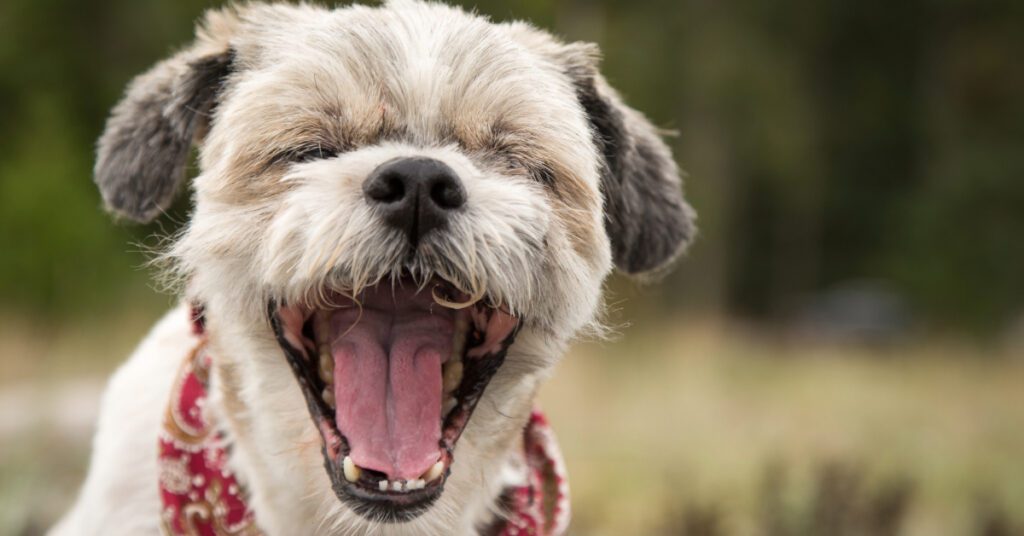
Dog sneezing is usually caused by irritants like dust, pollen, or grass awns, but it can also signal an infection, nasal mite, or foreign object lodged in the nasal passage. Most West Loop pet owners notice their dog sneeze once or twice after a walk through Chicago’s parks and think nothing of it, and in most cases, that’s the right instinct. But when sneezing in dogs becomes frequent, forceful, or paired with other symptoms, it’s worth a closer look at what’s really going on. Because the same symptom can range from a passing irritation to a sign of something more involved, understanding the difference helps pet owners know when to simply keep an eye on things and when it’s time to schedule a visit.
Why Do Dogs Sneeze?
Sneezing is a reflex dogs use to clear their nasal passages of anything that shouldn’t be there. It’s the same basic mechanism that makes people sneeze, just triggered a little differently in canine anatomy. A dog’s nose is packed with scent receptors and sensitive tissue, which means it’s also more prone to irritation from everyday particles in the air. Because dogs rely so heavily on scent to explore their surroundings, their noses are exposed to a much wider range of potential triggers over the course of a normal day than a person’s would be, which is part of why occasional sneezing is considered such a routine occurrence.
Normal vs. Abnormal Sneezing
A single sneeze after sniffing a bush is completely normal, and most dogs will sneeze occasionally throughout the day without any underlying issue. Dog sneezing becomes a concern when it’s repetitive, happens during naps or rest, or is accompanied by nasal discharge, bleeding, or pawing at the face. The context matters just as much as the sneezing itself. A dog that sneezes once during a walk and moves on is different from a dog sneezing in fits throughout the evening. Paying attention to when the sneezing happens, and what else is going on at the same time, often tells pet owners more than the sneezing itself.
Common Causes of Dog Sneezing
There are several everyday reasons a dog might start sneezing more than usual, ranging from mild and temporary to more involved medical concerns. Some of these causes clear up on their own within a day or two, while others tend to linger or worsen without some form of intervention.
Environmental Irritants
Dust, pollen, cleaning products, and even scented candles can trigger a sneezing dog. Chicago’s seasonal pollen counts and indoor heating in winter both play a role in how often dogs sneeze indoors and out. Dry winter air in particular can irritate nasal tissue, leading to sneezing bouts that ease up once humidity levels rise again in warmer months. Many owners don’t immediately connect a new cleaning product or candle with a sudden uptick in sneezing, so it can help to think back on any recent changes at home when sneezing seems to appear out of nowhere.
Nasal Infections
Bacterial, viral, or fungal infections can inflame the nasal lining, leading to persistent sneezing, thick discharge, and sometimes a foul odor. Left unaddressed, infections can spread further into the respiratory tract, making early evaluation important rather than waiting to see if symptoms resolve on their own. Discharge that starts out clear and gradually becomes thicker or discolored over a few days is often one of the more telling signs that an infection, rather than a simple irritant, is behind the sneezing.
Foreign Objects
Grass awns (sometimes called foxtails) are a surprisingly common culprit, especially for dogs who spend time in grassy areas along the lakefront or in dog parks. A blade of grass or seed head can get lodged in a dog’s nose during a walk, causing sudden, intense, repeated sneezing that often starts abruptly mid-activity. This type of sneezing tends to look noticeably different from an environmental or infectious cause, often coming on suddenly and paired with a dog pawing at its face or rubbing its nose along the ground in an effort to dislodge whatever is causing the irritation.
What Is Reverse Sneezing in Dogs?
Reverse sneezing is a distinct phenomenon where a dog makes a loud snorting or honking sound while rapidly pulling air in through the nose, rather than pushing it out. It looks alarming but is usually harmless, often triggered by excitement, allergens, or a collar pulling on the throat. Reverse sneezing episodes typically last under a minute and resolve on their own, though frequent episodes are worth mentioning at a wellness visit. Because the sound is so different from a typical sneeze, it’s often mistaken by first-time observers for choking or a more serious respiratory issue, even though it’s generally considered a benign quirk of canine anatomy, particularly in smaller breeds.
When Is Dog Sneezing a Sign of Something Serious?
Most sneezing is benign, but certain patterns warrant a veterinary visit rather than a wait-and-see approach. Signs to watch for include:
- Sneezing that persists for more than a few days
- Blood in the nasal discharge
- Swelling around the nose or face
- One-sided nasal discharge (often linked to a foreign object or tumor)
- Noticeable weight loss or lethargy alongside the sneezing
Any single item on this list is reason enough to schedule an evaluation, and one-sided discharge in particular is worth paying close attention to, since infections and irritants tend to affect both nostrils while foreign objects and localized growths are much more likely to affect only one side.
Can Allergies Cause Dogs to Sneeze a Lot?
Yes, allergic reactions are one of the more common reasons a dog sneezes frequently, particularly during Chicago’s spring and fall allergy seasons. Seasonal allergies to pollen, mold, or grass, as well as sensitivities to certain foods or household chemicals, can all contribute to a dog sneezing more than normal. Allergic sneezing tends to come with other symptoms too, like itchy skin, watery eyes, or recurring ear infections, which can help differentiate it from an infection or foreign object. Unlike an infection, which tends to worsen steadily without treatment, allergic sneezing often fluctuates from day to day depending on pollen counts, humidity, and how much time a dog has spent outdoors.
How West Loop Veterinary Care Diagnoses Sneezing in Dogs
When a dog comes in for evaluation, our team at West Loop Veterinary Care takes a structured approach to identify the underlying cause rather than guessing based on symptoms alone. Diagnostics may include:
- A physical exam of the nose, mouth, and facial structure
- Imaging such as X-rays for deeper structural issues
- Bloodwork or cultures if an infection is suspected
This layered approach helps distinguish between a simple irritant and something requiring ongoing treatment. A thorough history is often the starting point, since details about when the sneezing began and what else has changed at home can help our team narrow down which diagnostic steps make the most sense for that particular dog.
Helping Your Dog Breathe Easy in Chicago
Sneezing is often nothing more than a passing irritation, but understanding the difference between a harmless sniffle and a sign of something more serious gives Chicago pet owners real peace of mind. A dog sneezing occasionally after outdoor time is rarely worth worrying about, but persistent or unusual sneezing deserves attention sooner rather than later.
Chicago’s shifting seasons, from pollen-heavy spring days to dry, heated winter air, mean local dogs are exposed to a wide range of potential nasal irritants throughout the year, which is part of why sneezing comes up so often during wellness visits. If your dog’s sneezing seems unusual, persistent, or paired with other symptoms, our West Loop Veterinary Care team is available to take a closer look and get to the bottom of it. Call one of our locations or book an appointment online today!
West Loop:
(312) 421-2275
Streeterville:
(312) 766-5959