
Can Dogs Eat Raw Chicken? What Every Pet Owner Should Know
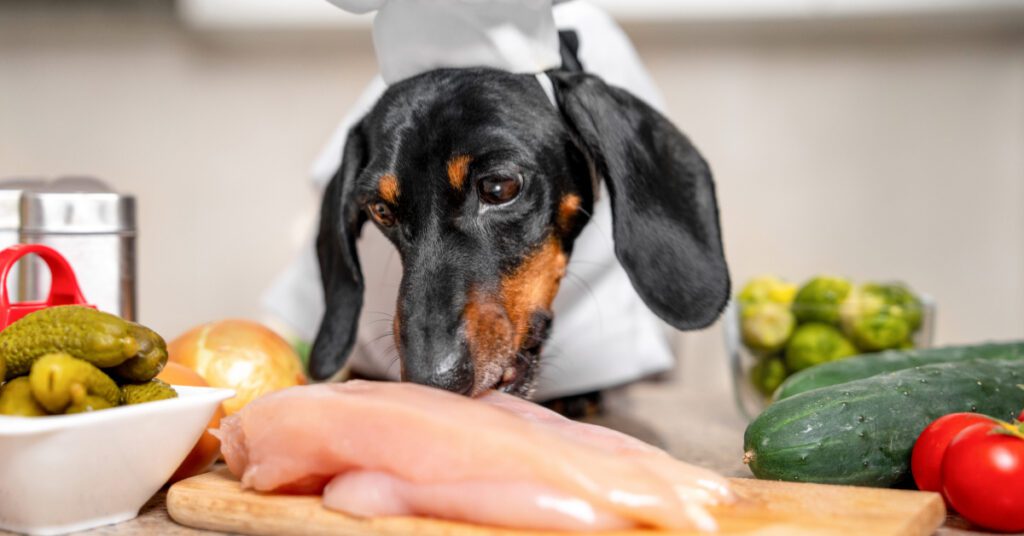
Dogs can technically eat raw chicken, but veterinarians generally advise against it due to the risk of bacterial contamination, such as Salmonella and Campylobacter, which can make both dogs and their owners sick. While some pet owners feed raw diets intentionally, raw chicken carries real risks that are worth understanding before it becomes part of a dog’s regular diet. Because raw feeding has become such a widely discussed topic among pet owners, it helps to separate the anecdotal benefits from the documented risks before deciding what belongs in your dog’s bowl.
Why Do Some Pet Owners Feed Dogs Raw Chicken?
Raw feeding has grown in popularity among owners who believe it more closely mirrors a dog’s ancestral diet. Proponents point to shinier coats, more energy, and smaller stool volume as potential benefits, and the raw feeding movement has built a strong following online in recent years. Some owners also feel that raw diets give them more control over exactly what goes into their dog’s food, avoiding fillers or preservatives found in some commercial products. That sense of control is often a major driver behind the decision to feed raw, even when the scientific evidence for the claimed benefits remains limited.
What Are the Risks of Feeding Dogs Raw Chicken?
Despite its popularity in some circles, raw chicken introduces several documented risks that are worth weighing carefully before making it a regular part of a dog’s diet.
Bacterial Contamination
Raw poultry is a well-known source of Salmonella and Campylobacter, bacteria that can cause vomiting, diarrhea, and lethargy in dogs, and can also spread to household members through handling or contact with contaminated surfaces, bowls, or countertops. This risk extends beyond the dog itself to everyone in the home, particularly children, older adults, or immunocompromised individuals who may be more vulnerable to foodborne illness. Even dogs that show no outward symptoms can still shed bacteria in their stool, which means the risk of household contamination doesn’t necessarily go away just because a dog seems unaffected.
Bone Hazards
Raw chicken bones are softer than cooked bones but can still splinter, crack teeth, or cause choking and internal injury if swallowed in large pieces. Bone fragments can also cause blockages or perforations in the digestive tract, which sometimes require surgical intervention to resolve. Even bones marketed specifically for raw feeding carry some degree of risk, particularly for dogs that tend to gulp their food rather than chew thoroughly before swallowing.
Nutritional Imbalance
A raw chicken diet on its own doesn’t provide the balanced nutrition dogs need. Without careful formulation, raw diets can lead to deficiencies or excesses in key nutrients over time, particularly calcium, phosphorus, and certain vitamins essential to long-term health. Owners who choose to feed raw are generally encouraged to work with a veterinary nutritionist to ensure the overall diet is properly balanced, rather than relying on raw chicken as a standalone meal.
Is Raw Chicken Different From Cooked Chicken for Dogs?
Cooking chicken thoroughly kills the bacteria responsible for most foodborne illness, which is why plain, cooked, boneless chicken is a much safer option than raw. Cooking also softens bones (when bones are used at all), though bones should generally be removed before feeding regardless of how the chicken was prepared. Plain cooked chicken is often recommended as a bland diet option for dogs recovering from minor stomach upset, precisely because it’s low-risk when handled properly. The distinction between raw and cooked chicken is really a question of bacterial exposure, since the nutritional content of the meat itself doesn’t change dramatically between the two preparations.
What Are Signs of Foodborne Illness in Dogs?
If a dog has eaten contaminated raw chicken, symptoms of illness may appear within hours or days depending on the bacteria involved and the amount consumed. Signs to watch for include:
- Vomiting or diarrhea, sometimes with blood
- Lethargy or reduced appetite
- Fever
- Abdominal discomfort or a hunched posture
These symptoms can range from mild and short-lived to more severe, particularly in dogs with a heavier bacterial exposure or an already sensitive digestive system.
Can Puppies or Senior Dogs Eat Raw Chicken?
Puppies, senior dogs, and dogs with compromised immune systems are at higher risk of severe illness from bacterial exposure. Their digestive and immune systems are less equipped to handle the bacterial load that raw poultry can carry, making the risk-to-benefit ratio even less favorable for these groups. Dogs with existing health conditions, such as kidney or liver disease, face similar elevated risk, since their bodies may already be working harder to manage other stressors. For these groups in particular, the safer, cooked alternative is generally the more prudent choice.
What Should You Do If Your Dog Already Ate Raw Chicken?
If your dog got into raw chicken unintentionally, say, from the counter or trash, monitor closely for any signs of gastrointestinal upset over the following 24 to 48 hours. Every dog and situation is different, so reaching out to your veterinarian for guidance based on your dog’s specific history, size, and health status is the safest next step rather than waiting to see if symptoms develop. Noting how much chicken was consumed and whether it appeared to be spoiled can also be helpful information to share during that conversation.
How West Loop Veterinary Care Supports Pet Owners’ Diet Decisions
Diet questions come up often during wellness visits, and our West Loop Veterinary Care team is glad to walk Chicago pet owners through safer feeding options, including:
- Reviewing current diet and any raw-feeding practices
- Discussing balanced commercial or vet-formulated alternatives
- Testing for foodborne illness if symptoms are present
- Guidance tailored to life stage and health status
These conversations are meant to be collaborative rather than one-size-fits-all, since the right approach often depends on a dog’s individual health history and an owner’s specific feeding goals.
Making Informed Feeding Choices for Your Dog
Feeding decisions are deeply personal, but they’re worth making with full information about the risks involved. Whether you’re drawn to raw feeding for its perceived benefits or simply wondering if a piece of raw chicken is safe after it fell on the kitchen floor, understanding the science behind the risks helps you make the choice that’s right for your household. Chicago pet owners exploring raw diets often find that a conversation with their veterinary team helps clarify which parts of the approach are worth keeping and which carry more risk than benefit. If you’re considering raw chicken or already feeding it, a conversation with West Loop Veterinary Care can help you weigh the options with your dog’s specific health in mind. Call one of our locations or book an appointment online today!
West Loop:
(312) 421-2275
Streeterville:
(312) 766-5959