
Dehydration in Dogs: How to Spot It Before It Becomes Serious
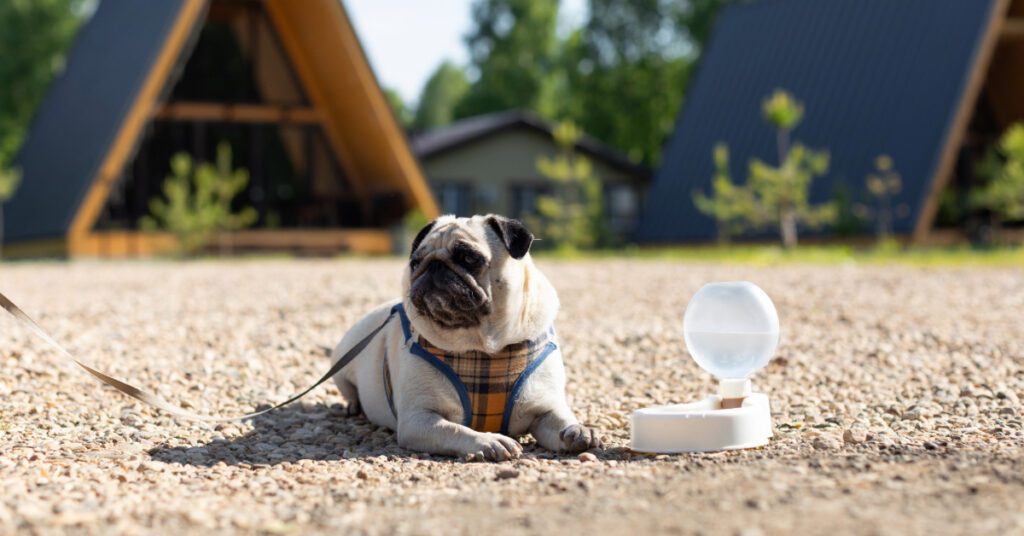
Dog dehydration shows up early through signs like dry gums, loss of skin elasticity, and lethargy, and catching it in these early stages is key to preventing a more serious medical situation. Chicago’s hot summer months and active dogs make dehydration a relevant concern for many pet owners, especially after long walks, playtime outdoors, or time spent at the lakefront on a warm afternoon. Understanding what dehydration looks like before it becomes severe gives owners a real head start on keeping their dogs safe and comfortable. Because dehydration can develop gradually or come on quickly depending on the cause, knowing what to look for at each stage makes it far easier to respond before things escalate.
What Causes Dehydration in Dogs?
Dehydration happens when a dog loses more fluid than it takes in. Common causes include:
- Heat exposure
- Vomiting
- Diarrhea
- Reduced water intake
- Certain underlying illnesses like kidney disease or diabetes, both of which can increase fluid loss through excessive urination
Even something as simple as a dog being reluctant to drink from an unfamiliar water bowl while traveling can contribute to mild fluid loss over the course of a day. Fever, heavy panting, and prolonged exposure to hot pavement or direct sun can all accelerate fluid loss as well, particularly for dogs that don’t have easy access to shade or water during outdoor activity.
What Are the Early Signs of Dog Dehydration?
Catching these signs before they progress often means the difference between a simple fix at home and a trip to the vet for supportive fluids.
Physical Signs
Dry or tacky gums, sunken eyes, and reduced skin elasticity are among the most reliable early indicators. A quick skin-tent test, meaning gently lifting the skin between the shoulder blades, can reveal slow-to-return skin, a classic dehydration sign that’s easy for owners to check at home. Thick or ropey saliva is another physical clue some owners notice before anything else, since it often shows up when a dog’s fluid levels begin to drop. Dogs may also show noticeably dry noses during this stage, though this sign alone is less reliable than gum moisture or skin elasticity.
Behavioral Signs
A dehydrated dog often becomes noticeably lethargic, less interested in play, or reluctant to move. Panting more than usual, especially without exertion, can also be a clue, along with a general sense that the dog just isn’t acting like itself. Some dogs also become less interested in food during periods of dehydration, even if they’d normally show enthusiasm at mealtime. Restlessness or difficulty settling can also appear in some dogs, particularly if dehydration is paired with an underlying illness rather than simple heat exposure.
How Much Water Do Dogs Need Each Day?
Most dogs need roughly one ounce of water per pound of body weight daily, though this varies with activity level, temperature, and diet. Dogs on a wet food diet naturally take in more moisture than those eating dry kibble, which is worth factoring in if your dog seems to drink very little water directly. Active dogs, or those spending extended time outdoors in warm weather, typically need more than this baseline amount to stay properly hydrated. Offering fresh water at multiple points throughout the day, rather than a single large bowl left out, can also encourage more consistent drinking for dogs that tend to graze rather than drink in one sitting.
When Does Dog Dehydration Become an Emergency?
Mild dehydration can often be addressed with rest and encouraged water intake, but certain signs indicate a more urgent situation that shouldn’t wait:
- Extreme lethargy or collapse
- Sunken eyes with visible skin tenting
- Rapid heart rate or breathing
- Vomiting or diarrhea that prevents fluid retention
- Dark yellow or minimal urine output
Any combination of these signs suggests the body’s fluid balance has been disrupted significantly enough that home care alone is unlikely to resolve the issue. Dogs showing several of these symptoms together, rather than just one, are generally further along in the dehydration process and need evaluation sooner rather than later.
Are Certain Dogs More Prone to Dehydration?
Yes. Puppies, senior dogs, brachycephalic (flat-faced) breeds, and dogs with chronic illnesses are all more susceptible to dehydration. Working and highly active dogs are also at greater risk during Chicago’s warmer months, particularly if water breaks aren’t frequent during exercise or long walks along the lakefront trail. Dogs with thick double coats can also struggle more in the heat, since their coats trap warmth and make it harder for them to regulate body temperature efficiently. Smaller dogs can become dehydrated more quickly than larger breeds as well, simply because they carry less total body fluid to begin with.
How Is Dog Dehydration Treated?
Treatment depends on severity. Mild cases may simply need increased water access and rest, while moderate to severe dehydration often requires veterinary intervention, such as subcutaneous or intravenous fluids to restore hydration levels safely and quickly. The right approach depends on how far along the dehydration has progressed and what’s causing it in the first place, since addressing the underlying cause is just as important as replacing lost fluids. A dog dehydrated from a single hot afternoon typically responds much faster to treatment than one whose dehydration stems from an ongoing illness like kidney disease.
How West Loop Veterinary Care Evaluates Dehydration
When a dehydrated dog comes in, our West Loop Veterinary Care team assesses hydration status through several methods rather than relying on appearance alone:
- Skin elasticity and gum moisture checks
- Bloodwork to evaluate kidney values and electrolytes
- Fluid therapy tailored to the degree of dehydration
This combination of physical assessment and diagnostic testing helps the team determine not just how dehydrated a dog is, but why, which shapes the treatment plan going forward. Identifying an underlying cause, such as kidney disease or an intestinal issue, also helps guide any follow-up care needed after the initial dehydration has been addressed.
Keeping Chicago Dogs Hydrated Through Every Season
Whether it’s a hot summer afternoon at the dog park or a bout of stomach upset at home, staying attentive to early dehydration signs helps protect your dog’s health year-round. Simple habits, like offering water frequently during outdoor activity and watching for early behavioral changes, go a long way toward prevention. Chicago’s weather can shift quickly from mild to intensely hot, so keeping a portable water bowl on hand during walks or outings is a small step that can make a meaningful difference. Building these habits into your regular routine, rather than only thinking about hydration on especially hot days, helps catch subtle changes before they become bigger concerns. If you’re ever unsure whether your dog’s symptoms warrant a visit, our West Loop Veterinary Care team is ready to help you figure out the next step. Call one of our locations or book an appointment online today!
West Loop:
(312) 421-2275
Streeterville:
(312) 766-5959