

Cat Vomiting: How to Tell If It’s Serious and What to Do Next
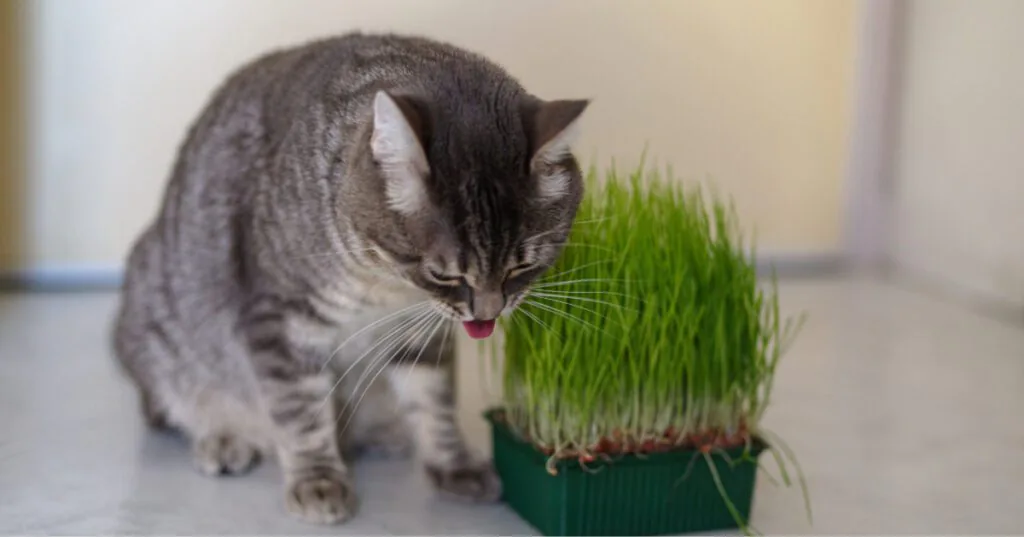
Cat vomiting is considered serious when it happens repeatedly, contains blood, or is paired with lethargy, appetite loss, or weight loss. Occasional vomiting from hairballs or a fast meal is usually less concerning. Distinguishing between the two is one of the more common questions West Loop Veterinary Care hears from Chicago cat owners, and it’s a fair question given how often cats vomit compared to dogs. Because vomiting can be so routine for some cats and a red flag for others, understanding the underlying pattern matters just as much as the vomiting itself. This guide walks through the most common causes, what frequency and appearance can tell you, and when it’s time to bring your cat in for evaluation.
Why Do Cats Vomit?
Cats vomit for a wide range of reasons, from something as simple as eating too quickly to more complex underlying conditions. A cat’s digestive system is also somewhat more prone to regurgitation than a dog’s, partly due to grooming habits and partly due to how cats tend to eat, which is part of why occasional vomiting is considered a normal part of life for many cats. This doesn’t mean vomiting should be dismissed outright, but it does mean context plays a bigger role in cats than it might for other pets. Owners who know their cat’s typical patterns are often the first to notice when something feels different, even before symptoms become more obvious.
What Are Common Causes of Cat Vomiting?
Some causes are minor and self-resolving, while others need medical attention sooner rather than later. Working through the more common possibilities can help owners figure out where their cat’s symptoms are likely to fall.
Dietary Causes
Eating too fast, sudden diet changes, food intolerances, or ingesting something inappropriate can all trigger vomiting. Hairballs are another frequent, generally benign cause, particularly in longer-haired cats or those who groom themselves excessively. Switching food brands too abruptly, without a gradual transition period, is another common trigger that owners sometimes overlook when trying to pinpoint the cause. Cats that eat quickly, especially in multi-cat households where there’s some competition over food, are also more prone to vomiting shortly after a meal. Slow-feeder bowls or smaller, more frequent meals can sometimes help reduce this type of vomiting for cats prone to eating too fast.
Medical Causes
Chronic vomiting can point to underlying issues such as inflammatory bowel disease, kidney disease, hyperthyroidism, pancreatitis, or gastrointestinal obstruction. These causes typically come with additional symptoms beyond vomiting alone, such as changes in appetite, energy, or litter box habits. Because several of these conditions are more common in middle-aged and senior cats, age is often a useful factor to consider when trying to narrow down a likely cause. A cat that has vomited occasionally for years without other symptoms is a very different case from one that suddenly starts vomiting frequently later in life. Parasites and food allergies are two additional medical causes worth mentioning, both of which can sometimes be identified through relatively simple testing.
How Often Is Too Often for Cat Vomiting?
A cat vomiting more than once or twice a month should be evaluated. Vomiting that occurs daily, or multiple times within a single day, is never considered normal and warrants prompt veterinary attention regardless of how the cat is otherwise behaving. Keeping a rough log of vomiting frequency, even informally, can make it much easier to describe the pattern accurately during a veterinary visit. Noting whether vomiting tends to happen at a particular time of day, such as right after eating or first thing in the morning, can also offer useful clues about what might be driving it.
What Are Warning Signs That Cat Vomiting Is Serious?
Certain accompanying symptoms elevate the urgency of a vomiting episode. Watch for:
- Blood in the vomit or a coffee-ground appearance
- Repeated vomiting within a 24-hour period
- Lethargy, hiding, or reduced interaction
- Noticeable weight loss over time
- Loss of appetite lasting more than a day
Any one of these signs is reason enough to schedule an evaluation, and a combination of several at once generally signals a more urgent situation that shouldn’t be left to resolve on its own. Cats are also known for masking illness well, so subtle behavioral changes alongside vomiting are often more telling than the vomiting itself. A cat that hides more than usual or seems withdrawn, even without other obvious symptoms, is often signaling that something isn’t right.
Does the Appearance of Vomit Matter?
Yes, the color and content of vomit can offer clues. Clear or foamy vomit often points to an empty stomach, while yellow (bile-tinged) vomit may suggest an empty stomach for an extended period. Undigested food, hair, or foreign material each point toward different underlying causes, which is why it’s helpful to note what the vomit looks like before a vet visit.
A dark, coffee-ground appearance is particularly worth noting and photographing if possible, since it can indicate digested blood and typically warrants a same-day evaluation. Bright red blood, by contrast, usually points to more recent irritation and should also be brought to a veterinarian’s attention right away. Green-tinged vomit can sometimes indicate bile mixed with intestinal content, which is worth mentioning if it happens more than once.
Can Stress Cause Cats to Vomit?
Stress and anxiety can absolutely trigger vomiting in cats. Changes in environment, new pets, moving, or even shifts in routine can upset a cat’s digestive system enough to cause vomiting, sometimes without any dietary trigger at all. Cats are especially sensitive to disruptions in their environment, more so than many owners realize. Even seemingly minor changes, like rearranged furniture or a new litter brand, can be enough to trigger a stress response in some cats. Multi-cat households can also see stress-related vomiting when there’s tension or competition between cats over resources like food, litter boxes, or preferred resting spots. Providing predictable routines and enough resources for every cat in the household can go a long way toward reducing this kind of stress-related vomiting.
How West Loop Veterinary Care Diagnoses Cat Vomiting
For cats with frequent or concerning vomiting, a full workup often provides the clearest answers rather than guessing at a cause. This may include:
- A detailed history of frequency, timing, and diet
- Bloodwork to screen for organ function and thyroid levels
- Abdominal imaging to check for obstruction or structural issues
- Fecal testing to rule out parasites
This combination of history-taking and diagnostic testing allows our West Loop Veterinary Care team to distinguish between a minor dietary trigger and a more involved medical condition requiring ongoing management. In cases where initial testing doesn’t reveal an obvious cause, additional imaging or a specialized diet trial may be recommended to narrow things down further, particularly for cats with symptoms that come and go over time.
Supporting Your Cat’s Digestive Health in Chicago
Occasional vomiting doesn’t always mean something is wrong, but knowing when it crosses into concerning territory helps you act at the right time rather than waiting until symptoms escalate. Paying attention to frequency, appearance, and any accompanying changes in behavior gives you a much clearer picture than focusing on any single vomiting episode alone. Chicago cat owners juggling multi-cat households, seasonal stressors, or an aging cat’s changing needs often find that a baseline wellness visit makes it much easier to tell what’s normal for their particular cat. Call one of our locations or book an appointment online today!
West Loop:
(312) 421-2275
Streeterville:
(312) 766-5959